

I’ve had a lot of conversations on The Care We Need Podcast. But this one hit differently.
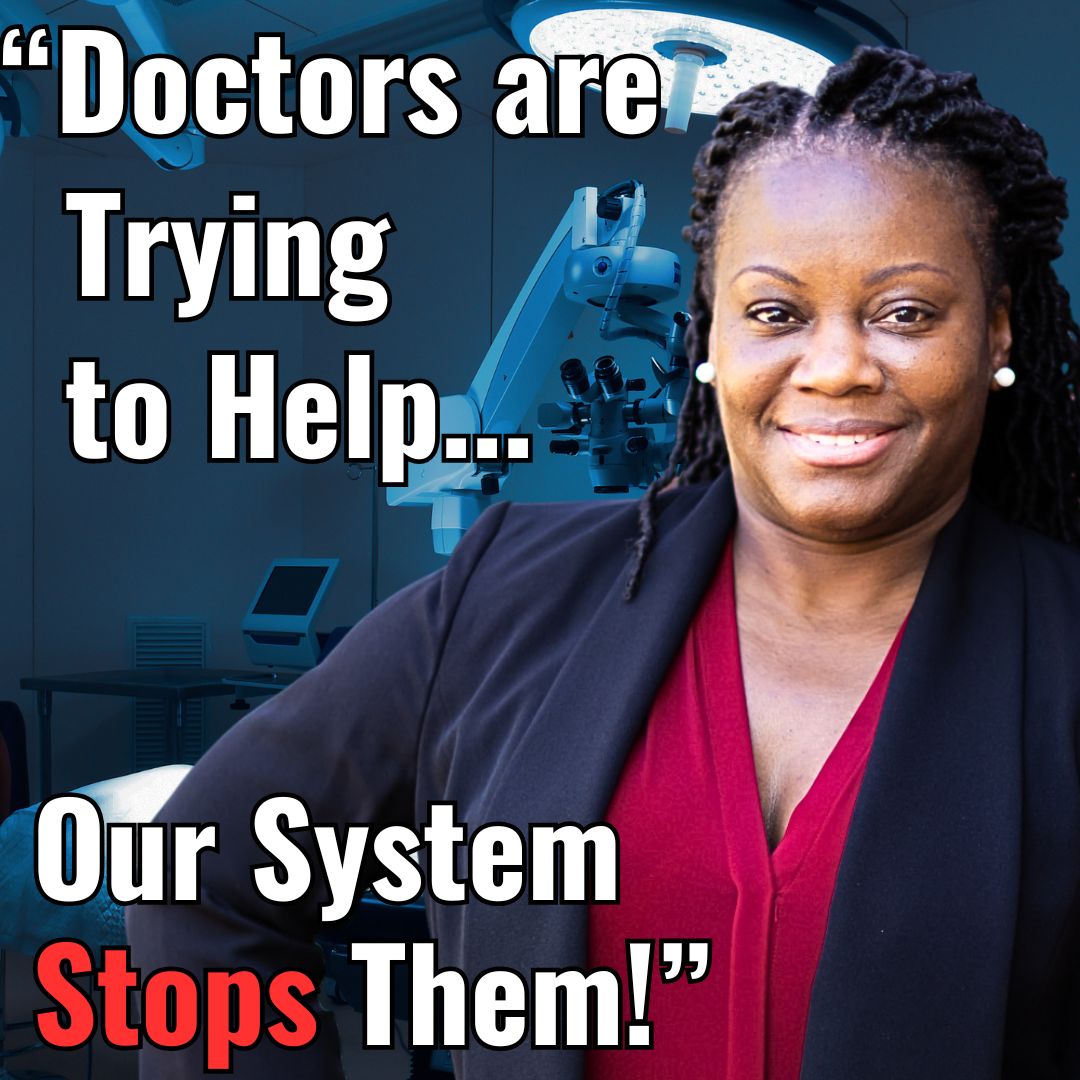
Dr. Demetria Bolden is a faculty researcher at the University of Colorado Anschutz Medical Campus who studies how communication and system design shape health outcomes — with a specific focus on reducing cardiovascular disparities in communities of color. On paper, that sounds like a niche academic conversation. In practice, it was one of the most honest, systems-minded discussions I’ve had about why healthcare feels broken — and what it would actually take to fix it.
Here’s what stayed with me.
Nobody Meant to Fail Him
Demetria told a story about an elderly man from a community of color who had experienced an amputation. Life-changing, as you can imagine. Certain services were supposed to be dispatched to his home. They weren’t. When Demetria sat with him and his wife, she uncovered shame, grief, and a family left without the rehabilitative support they were promised.
Here’s the part that hit me: nobody did anything wrong. An order got kicked out of the system by a series of unrelated events. His physician didn’t even know it had happened. The only reason it got caught was because Demetria was in the room asking questions nobody else thought to ask.
That’s the thing about systems. They don’t fail dramatically. They fail quietly, in paperwork, in processes, in the gap between what was intended and what actually happened. While that doesn’t make a good headline, it does reflect how systemic harm most often happens.
The System Isn’t Designed for What You’re Trying to Do
One of Demetria’s clearest points was about the structure of a medical visit itself. Clinicians are measured on throughput, infection rates, procedure counts. They get eight to ten minutes with a patient. That’s not a complaint about clinicians — it’s a description of the environment they were handed.
As she put it, the system wasn’t always designed this way. It evolved into it. And when you evolve a system around metrics and reimbursement rates rather than around human outcomes, you get a system that is technically functioning but structurally misaligned with the thing it’s supposed to do.
She said something I keep thinking about: “It is not a healthcare problem exclusively. It is a social issue, a cultural issue, a mental health issue.”
You can’t fix a cardiovascular disparity inside a ten-minute visit. You can’t fix food deserts with a prescription. You can’t fix a broken order in a system that was never designed to catch it.
Trust Wasn’t Lost. It Was Never Built.
This is where the conversation shifted for me.
We talk a lot about patients “not trusting the system.” But Demetria reframes that entirely. Trust doesn’t disappear — it was structurally prevented from forming in the first place. Communities that have been historically underserved, segregated, and failed by institutions aren’t being irrational when they hesitate. They’re responding to a pattern.
She gave another example: pharmaceutical companies offer programs to help low-income patients get free medications. Sounds like a solution. But when she worked with patients who qualified, many wouldn’t fill out the paperwork. Why? Because they believed that disclosing their information would somehow affect their Social Security check. It wasn’t true — but the belief made complete sense given decades of experience with systems that had taken more than they’d given.
That’s the gap. Not bad intentions. Not laziness. A rational response to a history that earned it.
What It Actually Takes
Here’s what I love about Demetria’s perspective: she’s not pointing fingers. She’s asking questions.
Why did the system develop this way? What has to change upstream for clinicians to be able to do what they actually want to do? Who else needs to be in the room — not just healthcare, but city planning, schools, policy, businesses — for this to actually shift?
It’s overwhelming to look at it all at once. She said that directly. The magnitude of it is stifling. But the alternative — pretending it’s just a healthcare problem that healthcare alone can fix — isn’t working.
Her call to action is simple, even if the work isn’t:
“We have to be willing to care enough, to investigate enough, and to be curious enough to understand — how did we get here?”
That’s where it starts. Not with blame. Not with a new policy. With curiosity.
Watch the full conversation with Dr. Demetria Bolden on The Care We Need Podcast.
Follow this blog on Mastodon or the Fediverse to receive updates directly in your feed.


Leave a Reply